When “Doing It All” Feeds Anxiety: A Story About Slowing Down
It’s Saturday morning, and my husband is up before the sun. His day off isn’t really “off”—it’s a full-blown mission to tackle everything he’s been putting off during the week. Laundry, cooking, dishes, organizing the garage, mowing the lawn…basically everything except sitting still.
I’m lucky—he does all these things. He keeps our home running, takes care of countless chores, and works hard every single day. And yet, watching him, I see the subtle signs of anxiety creeping in. Shoulders tense, jaw clenched, mind racing ahead to the next chore before finishing the last. This is someone who literally cannot sit still, and yet, ironically, constant motion doesn’t make life easier—it just makes him more anxious.
Sound familiar? For many of us, anxiety doesn’t come from the big stuff—it comes from the small, relentless stuff, the endless to-do lists, the nagging “shoulds,” the fear that if it’s not done now, it will never get done.
Enter: the revolutionary idea that makes high-achievers cringe. Ready? Do less.
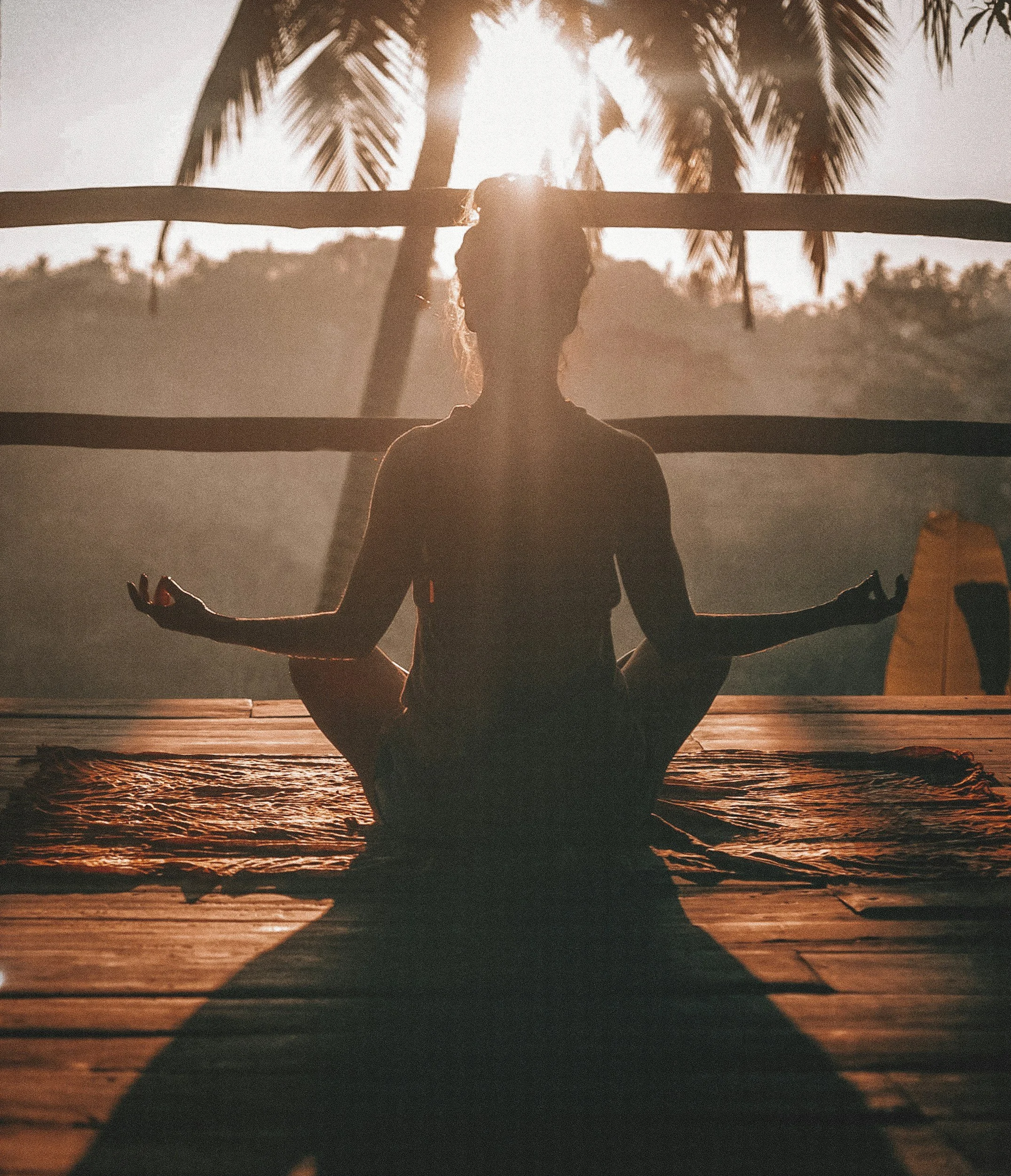
I promise it doesn’t mean lazy. It doesn’t mean irresponsible. It means being intentional, prioritizing what matters, and letting the rest…well…wait until tomorrow. Here’s how it works in practice:
Pause. Seriously.
Before diving into that first task, notice your body. Take a deep breath. Maybe even stare at the ceiling for a few seconds. You’re not slacking; you’re resetting your nervous system.Prioritize like a boss.
Look at your list and ask: “What actually needs to be done today?” Spoiler: it’s probably less than you think. Everything else? It can wait—and the world will survive.Perfection is overrated.
Done is better than perfect. Done tomorrow is also okay. Embrace “good enough” like a superpower.Rest is not a crime.
Yes, I said it. Rest is strategic. Sit with a cup of coffee, go for a walk, scroll mindfully through a book—your nervous system will thank you, and so will your productivity later.Check in with yourself.
Anxiety loves to hide in tense shoulders, tight jaws, or a racing heart. Notice it, breathe, and remind yourself: You’re allowed to slow down.
On his best days, my husband follows this advice. He pauses, breathes, and focuses on one or two tasks that actually matter. The rest of the list? It waits. The transformation is magical: shoulders relax, mind slows, and he actually enjoys his day off instead of turning it into a to-do marathon.
Here’s the kicker: slowing down doesn’t make you less productive. It makes you smarter about your productivity. Anxiety thrives on doing too much too fast. Intentional pacing? That’s the secret weapon for focus, calm, and sanity.
A little science to back it up: when we rush constantly, our bodies stay in “fight-or-flight” mode. Heart rate up, muscles tight, brain on overdrive. Over time, this chronic stress affects energy, mood, and even physical health. A little pause here and there resets the system—and trust me, five minutes of mindful breathing is more effective than 30 minutes of frenzied chaos.
So, how does this play out in real life? Imagine your weekend packed with errands, chores, and obligations. Instead of trying to tackle everything, choose the top three things that really matter. The rest? Let it wait. Build intentional breaks in between. Breathe. Walk. Sip your coffee slowly. Let yourself feel a moment of peace without guilt.
I’m lucky that my husband does so much for our family, but even the most capable, driven people need to remember: not everything has to be done today. Your tomorrow will still be there—and your sanity will be too.
Anxiety doesn’t vanish overnight, but slowing down gives you a fighting chance. You can still be productive, still be effective—but without sacrificing your peace of mind. Slowing down isn’t weakness. It’s a superpower. It’s how you reclaim calm, focus, and maybe—just maybe—learn that “doing less” can feel really, really good.