


Substance Use & Co-Occurring Mental Health Counseling in Shelton, CT
Living With Substance Use & Addiction
When alcohol or drug use becomes a way to cope, it can start affecting much more than you realize. Support is available for individuals and couples navigating substance use, recovery, and the impact addiction can have on relationships.
Maybe you find yourself reaching for alcohol or other substances to quiet your thoughts, manage anxiety, escape painful memories, or get through the day. Maybe you've experienced trauma or difficult life events that continue to affect you, and substances have become a way to temporarily shut off the feelings that come with them.
You may recognize that things aren't where you want them to be, but changing familiar patterns can feel overwhelming. You might have tried to cut back, stop, or make changes before, only to find yourself back in the same cycle.
Substance use doesn't happen in isolation. It can affect your mental health, relationships, family, and the way you feel about yourself.
At BTS Counseling & Wellness, we offer a supportive, judgment-free space to explore substance use concerns, better understand what's contributing to them, and develop healthier ways of coping. Whether you're seeking help for yourself or trying to navigate substance use within your relationship, you don't have to figure it all out alone.
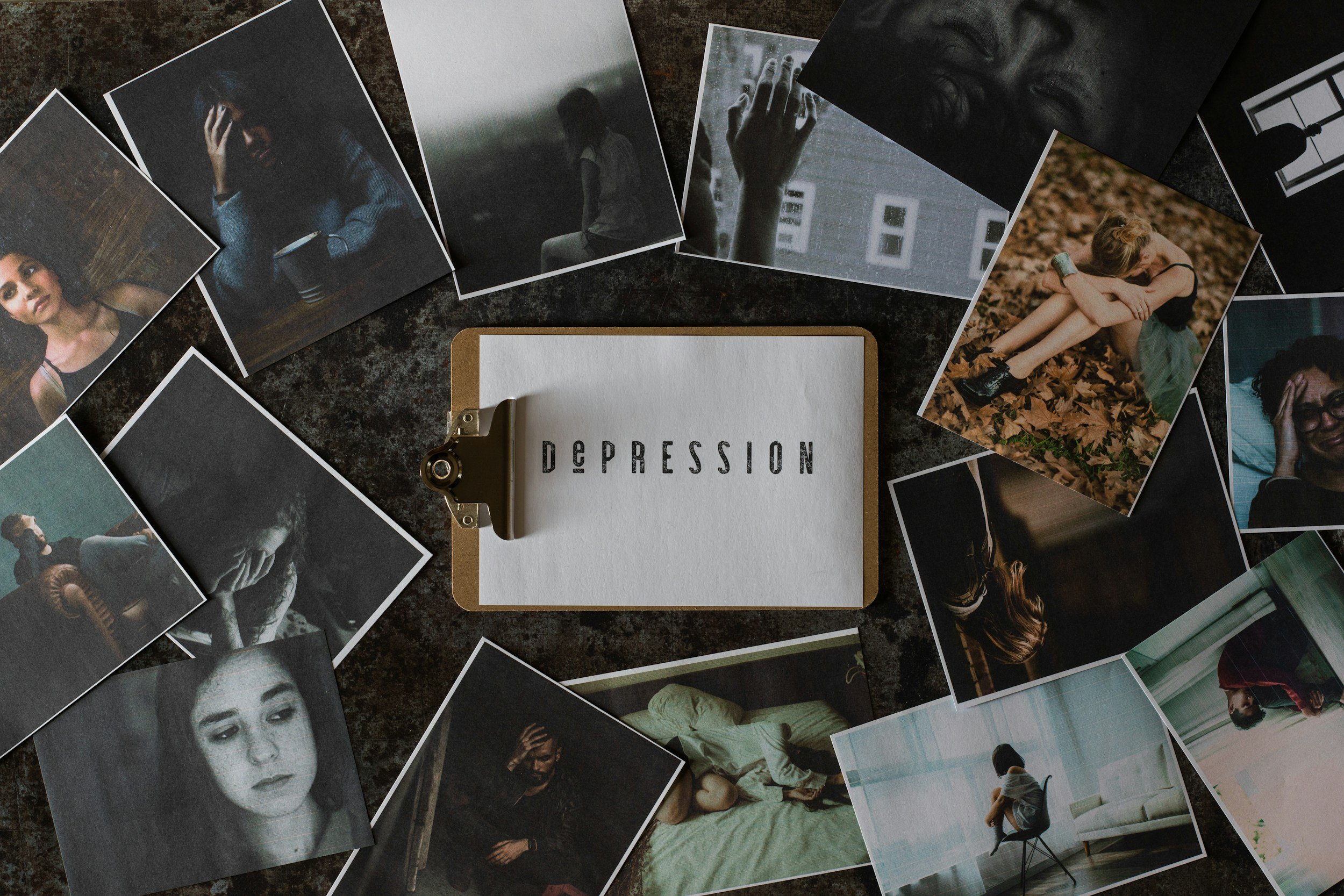

Depression Therapy in Shelton, CT
How therapy can help:
Therapy can help with depression by providing a safe and supportive space for individuals to explore their thoughts, feelings, and behaviors. A therapist can assist in identifying negative thought patterns and coping strategies, helping clients develop healthier ways of thinking and responding to challenges. Therapy also offers tools and techniques to manage symptoms, improve self-esteem, and build resilience. Additionally, a therapist can work with clients to uncover underlying issues contributing to their depression, leading to greater self-awareness and personal growth. Through the therapeutic process, individuals can find relief from their symptoms, gain insight into their experiences, and work towards lasting positive change.
Therapy for depression provides a multitude of advantages:
Safe and Private Environment: Therapy provides a secure and confidential space for individuals to explore and work through challenging emotions and experiences.
Professional Support and Guidance: Therapists offer valuable support, direction, and coping strategies to alleviate symptoms of depression.
Self-Discovery: Therapy fosters self-exploration, helping individuals gain a deeper understanding of themselves.
Healthier Thought Patterns and Behaviors: Therapy promotes the development of healthier thought processes and behaviors, contributing to overall well-being.
Enhanced Self-Worth: Through therapy, individuals can improve their self-esteem and sense of self-worth.
Strengthened Interpersonal Connections: Therapy can help individuals build and maintain healthier and more meaningful relationships.
Root Cause Resolution: Therapy aids in identifying and addressing the underlying causes of depression, leading to lasting relief and transformative growth.